
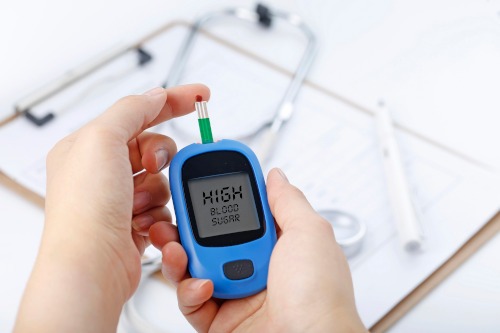
How Diabetes Affects Your Eyes: Understanding Diabetic Retinopathy
Diabetes is one of the most common chronic health conditions worldwide, affecting millions of people of all ages. While many people are aware that diabetes can impact the heart, kidneys, and nerves, fewer realize that it can also seriously affect the eyes.
One of the most significant eye complications associated with diabetes is diabetic retinopathy. This condition develops when high blood sugar levels damage the tiny blood vessels in the retina—the light-sensitive tissue at the back of the eye. If left untreated, diabetic retinopathy can lead to vision loss and, in severe cases, blindness.
The good news is that early detection and timely treatment can help prevent or slow vision loss. In this guide, we'll explain what diabetic retinopathy is, why it occurs, its symptoms, stages, treatment options, and practical tips to protect your eyesight.
What is Diabetic Retinopathy?
Diabetic retinopathy is a diabetes-related eye disease that damages the blood vessels of the retina. These damaged vessels may leak fluid, bleed, or become blocked, affecting the retina's ability to function properly.
Over time, untreated diabetic retinopathy can result in blurred vision, retinal damage, and permanent vision loss. People with both Type 1 and Type 2 diabetes are at risk, especially if blood sugar levels remain uncontrolled for long periods.
Why Does Diabetes Affect the Eyes?
The retina requires a healthy network of blood vessels to receive oxygen and nutrients. Persistently high blood sugar levels can weaken these delicate vessels, causing:
- Swelling and swelling of local tissues
- Leakage of blood or clear fluid into the retina
- Blockage of blood flow (causing ischemia)
- Growth of abnormal new blood vessels (neovascularization)
These physiological changes interfere directly with normal vision and can permanently damage the retina over time.
Who is at Risk?
Although anyone with diabetes can develop diabetic retinopathy, the risk is higher if you:
- Have had diabetes for many years
- Have poorly controlled blood sugar levels
- Have high blood pressure
- Have high cholesterol
- Smoke
- Are overweight
- Are pregnant with diabetes
The longer you live with diabetes, the greater your risk, making routine dilated eye examinations essential.
Symptoms of Diabetic Retinopathy
In the early stages, diabetic retinopathy often has no noticeable symptoms, which is why many people remain unaware they have the condition. As the disease progresses, symptoms may include:
- Blurred Vision: Objects may appear out of focus or difficult to read.
- Floaters: Small dark spots, lines, or cobweb-like shapes may appear to drift across your field of vision.
- Fluctuating Vision: Your eyesight may seem clear one day and blurry the next.
- Dark or Empty Areas: Some people notice missing areas or shadows in their visual field.
- Difficulty Seeing at Night: Reduced night vision can make driving or walking in dim light more difficult.
- Vision Loss: Without treatment, diabetic retinopathy can eventually lead to partial or complete loss of vision.
Warning: If you experience any sudden changes in vision, seek medical attention promptly.
Stages of Diabetic Retinopathy
Understanding the stages of this condition helps highlight the critical importance of early diagnosis:
Stage 1: Mild Non-Proliferative Diabetic Retinopathy (NPDR)
Tiny bulges called microaneurysms form in the retinal blood vessels. They may begin to leak small amounts of fluid. At this stage, vision is typically unaffected.
Stage 2: Moderate Non-Proliferative Diabetic Retinopathy
Some retinal blood vessels become blocked, reducing the retina's blood supply. Patients may still have few or no symptoms, but retinal damage is gradually increasing.
Stage 3: Severe Non-Proliferative Diabetic Retinopathy
Many blood vessels become blocked, causing larger areas of the retina to lose their blood supply. The retina responds to this deprivation by signaling the body to grow new blood vessels.
Stage 4: Proliferative Diabetic Retinopathy (PDR)
This is the most advanced stage. Abnormal new blood vessels grow on the retina and into the vitreous gel. These vessels are fragile and can bleed easily, leading to severe vision loss, retinal detachment, glaucoma, or permanent blindness if untreated. Immediate treatment is essential.
What is Diabetic Macular Edema (DME)?
The macula is the central part of the retina responsible for sharp, detailed, straight-ahead vision (necessary for reading, driving, and recognizing faces).
When leaking blood vessels cause swelling in the macula, the condition is called Diabetic Macular Edema (DME). DME can occur at any stage of diabetic retinopathy and is a leading cause of vision impairment in people with diabetes. Symptoms include:
- Blurred central vision
- Difficulty reading
- Distorted images (straight lines appearing wavy)
- Trouble recognizing faces
How is Diabetic Retinopathy Diagnosed?
Early diagnosis allows treatment to begin before significant vision loss occurs. An ophthalmologist may perform:
- Dilated Eye Examination: Special eye drops are used to widen the pupils, allowing a detailed view of the retina.
- Optical Coherence Tomography (OCT): A non-invasive imaging scan that creates detailed cross-sectional images of the retina to detect swelling or fluid buildup in the macula.
- Fundus Photography: High-resolution photos are taken to document retinal changes over time.
- Fluorescein Angiography: A special dye is injected into a vein in your arm, and photographs are taken to highlight damaged, leaking, or blocked blood vessels in the retina.
Treatment Options
Treatment depends on the stage and severity of the disease:
- Blood Sugar Control: Good diabetes management remains the most effective way to slow disease progression. Patients should maintain healthy blood sugar, blood pressure, and cholesterol levels.
- Anti-VEGF Injections: Medications injected into the vitreous gel of the eye help block the chemical signal (VEGF) that stimulates abnormal blood vessel growth, thereby reducing swelling and bleeding.
- Laser Treatment (Photocoagulation): Focal laser treatment seals leaking blood vessels, while scatter laser treatment (panretinal photocoagulation) shrinks abnormal new blood vessels across the retina.
- Vitrectomy Surgery: In advanced cases where blood has leaked into the vitreous gel or scar tissue is pulling on the retina, vitrectomy surgery is performed to remove the blood and scar tissue.
Can Diabetic Retinopathy Be Prevented?
While it may not always be entirely preventable, you can significantly reduce your risk of developing it:
- Maintain Good Blood Sugar Control: Keep your HbA1c within the target range.
- Control Blood Pressure and Cholesterol: High blood pressure and cholesterol accelerate microvascular damage.
- Eat a Healthy Diet: Focus on green leafy vegetables, fruits, whole grains, lean protein, and healthy fats while limiting sugary foods.
- Exercise Regularly: Aim for at least 150 minutes of moderate exercise per week.
- Quit Smoking: Smoking constricts blood vessels and worsens diabetic complications.
- Get Regular Eye Examinations: Have a comprehensive dilated eye exam at least once a year.
Frequently Asked Questions (FAQs)
Why Choose Maa Nursing Home?
At Maa Nursing Home, our experienced ophthalmologists provide comprehensive diabetic eye screenings, advanced retinal imaging, and personalized treatment plans for diabetic retinopathy and other eye conditions. With modern diagnostic technology and compassionate care, we are committed to helping you preserve your vision and maintain lifelong eye health.
Protect Your Vision Today
Book a Retinal Exam