Glaucoma
A progressive disease that damages the optic nerve - usually due to high eye pressure. Early detection prevents vision loss.
What is Glaucoma?
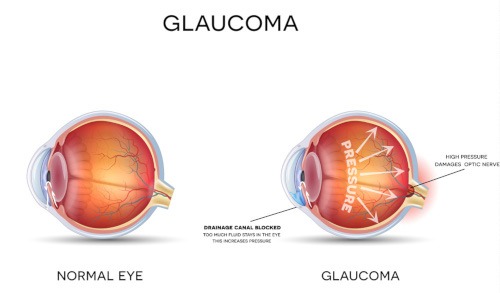
A group of eye conditions that damage the optic nerve, often due to increased eye pressure - a major cause of irreversible blindness.
The optic nerve acts like a cable containing over a million nerve fibres, transmitting visual information from the eye to the brain. When eye pressure rises or the nerve becomes weak, these fibres get damaged. If untreated, glaucoma can cause permanent vision loss or total blindness.
With timely diagnosis and proper treatment, further damage can be prevented. Regular eye check-ups after age 40 are crucial.
How Does Glaucoma Affect Vision?
A clear fluid called aqueous humour circulates inside the eye. When drainage channels get blocked, fluid builds up and increases pressure. This pressure damages the optic nerve gradually or suddenly depending on the type of glaucoma.
What Causes Glaucoma?
- Ageing
- Diabetes
- Family history
- High blood pressure
- Nearsightedness or farsightedness
- Long-term use of corticosteroids
- Eye injuries or inflammation
- Blocked eye blood vessels
- After other eye surgeries
Types of Glaucoma
1. Chronic Open-Angle Glaucoma
A slow, silent disease with gradual vision loss. Symptoms: dimming vision, mild headache, reduced side vision, coloured halos around lights.
2. Acute Closed-Angle Glaucoma
Sudden blockage causing rapid pressure rise. Symptoms: severe pain, headache, sudden blurred vision, coloured haloes, red eye.
3. Congenital Glaucoma
Occurs in infants due to defective drainage channels. Signs include large, cloudy corneas, excessive watering, and light sensitivity.
4. Secondary Glaucoma
Caused by other eye diseases, injury, steroid use, or diabetes.
How is Glaucoma Diagnosed?
Maa Nursing Home and NetraJyoti Eyecare Centre uses advanced diagnostic tools. Multiple tests may be performed over time:
How is Glaucoma Treated?
Early treatment prevents irreversible damage. Treatment options include:
- Eye drops: Long-term or lifelong use to control pressure.
- LASER Peripheral Iridotomy: For narrow-angle glaucoma to create a drainage opening.
- LASER Trabeculoplasty: Opens blocked passages in open-angle glaucoma.
- Trabeculectomy (Surgery): Creates a new drainage pathway when drops or laser are insufficient.
⚠️ Glaucoma is known as a “silent blinder.” Regular check-ups after age 40 and timely treatment protect vision.
Why Choose Us?
- Advanced glaucoma diagnostics
- Expert specialists
- Laser & surgical treatment options
- Long-term monitoring & follow-up
Quick Facts
Need a Consultation?
Book Glaucoma Check-upBook Your Glaucoma Screening
Fill out the details below. Our care team will call to confirm your preferred OPD slot.