
Laparoscopy
A minimally invasive diagnostic and therapeutic procedure used to evaluate and treat infertility and various gynaecological conditions.
Overview & Clinical Approach
A key-hole surgical method used to diagnose and treat conditions affecting a woman’s reproductive health.
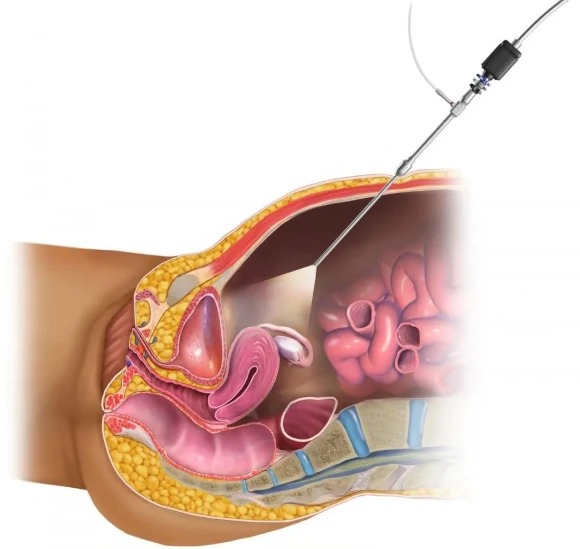
Laparoscopy is a minimally invasive procedure that allows the doctor to look directly at the uterus, fallopian tubes, ovaries and pelvic structures. It is extremely useful in evaluating unexplained infertility and treating abnormalities that prevent conception.
The surgeon makes 2–3 small incisions in the abdomen and inserts thin fibre-optic instruments equipped with a light and camera. If abnormalities are found, they can often be corrected during the same procedure, avoiding major surgery.
Laparoscopy is generally a day-care procedure performed under general anaesthesia. It typically takes 20 minutes to 2 hours, depending on the complexity of the case, and most patients go home the same day needing 1-2 days of rest. When performed by expert surgeons, laparoscopy is very safe; mild to moderate discomfort may last up to a week.
Common Symptoms
- Unexplained infertility or repeated pregnancy loss
- Endometriosis and chronic pelvic pain
- Ovarian cysts, fibroids, or pelvic adhesions
- Blocked or damaged fallopian tubes (hydrosalpinx)
- Ectopic pregnancy
Primary Causes & Risk Factors
- Pelvic inflammatory disease (PID) or genital tuberculosis (TB)
- Endometriosis implants causing pelvic adhesions
- PCOS requiring laparoscopic ovarian drilling
- Uterine prolapse (corrected via Vente suspension) or urinary incontinence (Burch procedure)
- Tubal ligation and other sterilisation procedures
Diagnostic Procedures
- Direct laparoscopy visualization via 2-3 keyhole abdominal incisions
- Diagnostic chromopertubation (tubal dye test) during laparoscopy
Treatment Steps
Keyhole Incision & Scope Insertion
2-3 small 5mm incisions made in the abdomen for camera and micro-instrument access, performed under general anaesthesia and typically taking 20 minutes to 2 hours depending on complexity.
Diagnostic Survey & Chromopertubation
Inspection of pelvic organs and methylene blue dye injection to confirm tubal patency.
Surgical Correction & Day-Care Recovery
Adhesiolysis, cystectomy, fibroid removal, or tubal clipping performed with same-day discharge.
Risks Involved
- Injury to the bladder, ureter or bowel
- Damage to blood vessels
- Infection or bleeding (rare)
Key Treatment Benefits
- Minimally invasive keyhole surgery with tiny incisions and minimal scarring
- Lower risk of infection with smaller scars and better cosmetic results
- Diagnoses and treats root causes of infertility in a single day-care sitting
- Faster recovery and shorter hospital stay, with rapid recovery of 1–2 days compared to open abdominal surgery
Consultation for Laparoscopy
Fill out the details below. Our care team will call to confirm your preferred OPD slot.